
Moving from slow reporting to real-time, action-driven leadership
In today’s business environment, speed is not a luxury - it is survival. Yet most organizations operate with a hidden inefficiency: decision latency.
Decision latency is the time gap between when data is generated and when a decision is made. For many companies, this delay can stretch from days to weeks.
Small business owners feel this deeply - missed inventory decisions, delayed pricing updates, and slow customer responses. Corporate leaders face it at scale - strategic delays costing millions.
Modern organizations are shifting to real-time systems where decisions happen instantly. This includes:
The goal is simple: reduce the time between insight and action to near zero.

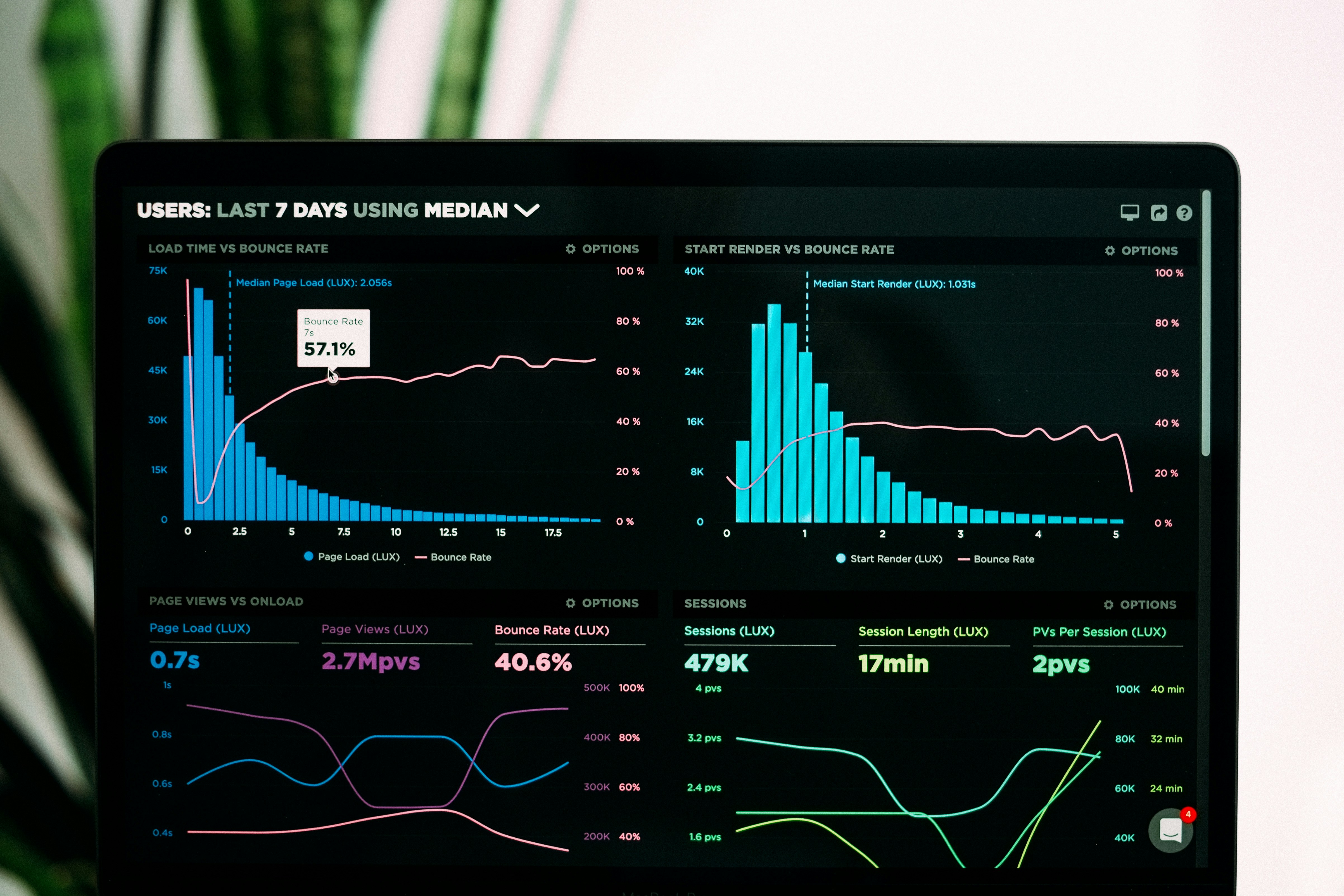
Dashboards were once revolutionary. Today, they are not enough.
Most dashboards are passive - they show data but do not trigger action.
Agentic Analytics refers to systems that:
Example: Instead of noticing declining sales manually, your system:
This transforms analytics from observation → execution.
Most leaders ask: “What is the ROI of our data team?” But this is the wrong question.
This is “Value on Analytics” - not just return on investment, but impact on decisions.
To bridge the gap between leadership and analytics teams, CEOs must ask better questions.
Focus on outcomes, not outputs.
Identify bottlenecks.
Avoid vanity metrics.
Timeliness defines relevance.
Move toward execution systems.
The future of business is not just data-driven - it is decision-driven.
Organizations that reduce decision latency, move beyond dashboards, and measure real value will outperform the rest.